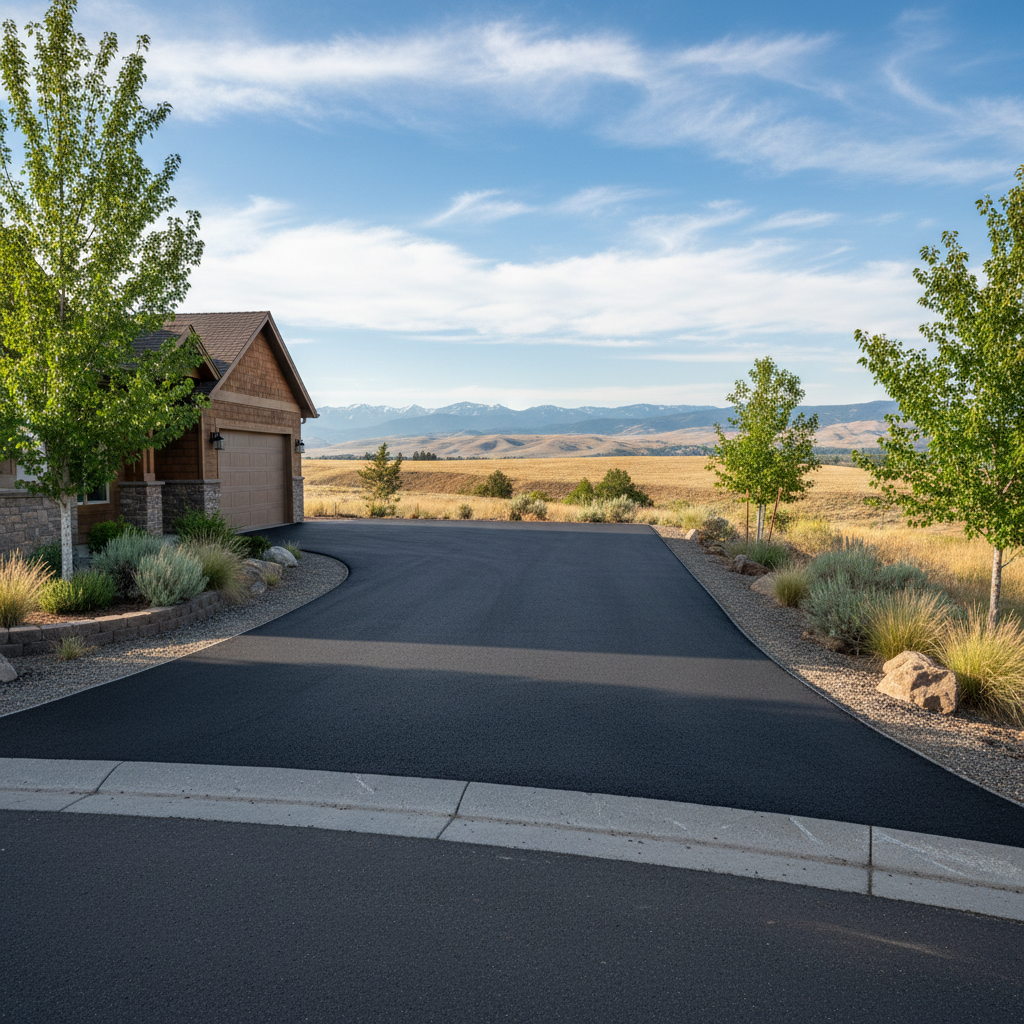
Alright, let's talk about driveways. You're probably looking to get yours paved, fixed up, or maybe even replaced right here in Yakima, and that's no small thing. I've been in this business for years, and I've seen people make the same old mistakes time and again. It costs them time, money, and frankly, a ton of headaches. I want to help you avoid all that.
Thinking All Asphalt is the Same
This is a big one, seriously. You might get a few quotes, spot one that's way cheaper, and figure you've hit the jackpot. But here's the deal: not all asphalt mixes are created equal. Some contractors will skimp by using a cheaper, less durable mix, or they just won't put down enough material. You end up with a driveway that cracks, crumbles, and fails way too fast—especially with our crazy hot summers and freezing winters here in the valley. A good contractor will tell you exactly what kind of mix they're using and why it's the right choice for your project.
Ignoring Proper Site Preparation
You could lay down the best asphalt on Earth, but if the ground underneath isn't prepped correctly, it's all for nothing. I'm talking about proper grading, compacting the sub-base, and making absolutely sure drainage is handled. We've got a lot of clay soil in parts of Yakima, particularly closer to the river, and if that's not dealt with properly, you'll see your brand new driveway shift and crack faster than you can say "pothole." A solid foundation is a must-have. If a contractor rushes through this part or doesn't even bring it up, that's a huge red flag.
Not Getting Everything in Writing (and Being Specific)
This sounds obvious, right? But you'd be surprised. People get a verbal quote, shake hands, and then later there's a big argument about what was actually included. Was taking out the old driveway part of the deal? What about hauling away the debris? Is there a warranty? How long does it last? What exactly does it cover? Don't leave anything to chance. Get a detailed contract that clearly spells out:
- The exact scope of work (what's being done, where, and how)
- The type and thickness of materials they're using
- A clear timeline for when they'll start and finish
- The payment schedule
- A written warranty
- Proof of their insurance and licensing
If a contractor hems and haws about putting everything down on paper, walk away. Seriously, just walk away.
Paying Too Much Upfront
A reputable contractor won't ask for a huge chunk of money before they even start. Sure, a deposit is pretty common to cover material costs, but it shouldn't be most of the project price. If someone demands 50% or more upfront, especially in cash, that's a major warning sign. You want to pay for work as it gets done, or at least have the bulk of the payment due once the project is finished to your satisfaction. This protects you if they disappear or do a crummy job.
Not Checking References or Reviews
You wouldn't buy a car without looking at reviews, would you? The same goes for your driveway. Ask for references from past clients, and actually call them up. Check out online reviews. See if the company is active and responsive. A good contractor, like us at Mighty Paving Solutions, will have a track record and be proud to show it off. If they can't provide references or have a bunch of bad reviews, there's a reason for that.
Choosing Price Over Value
I totally get it; everyone wants to save a buck. But when it comes to paving, the cheapest bid is almost never the best value. A low price often means corners are being cut—either with materials, labor, or how they prepare the site. You'll just end up paying more in the long run with constant repairs or even needing a full replacement much sooner than you should have. Think about the total cost of owning it, not just the initial price. A slightly higher bid from a quality contractor often means a durable, long-lasting driveway that you won't have to worry about for years.
So, do your homework, ask those tough questions, and don't be afraid to say no if something just feels off. Your driveway is too important an investment to mess up, don't you think?