What's the difference between residential and commercial asphalt?
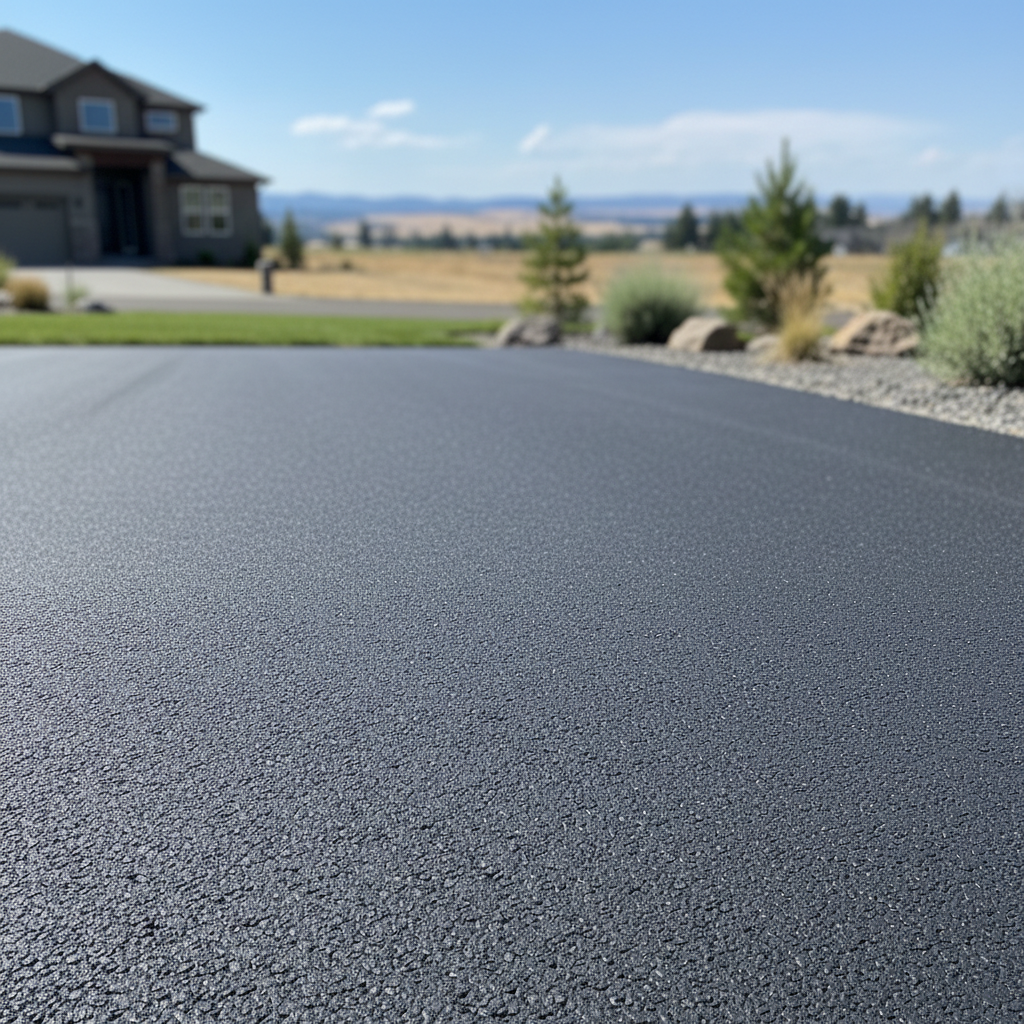
That's a good question, because people often use these terms like they're the same thing. But there are some key differences, and they really matter for your wallet and how long your pavement lasts. Residential asphalt, like your home's driveway, usually handles lighter loads – just cars, maybe a small truck now and then. Commercial asphalt, on the other hand, is built for much heavier traffic: think delivery trucks, semi-trailers, or the constant flow of cars in a busy parking lot. This means the base layers need to be thicker, the asphalt mix itself is often designed for higher strength, and figuring out the drainage gets a lot more complex. You simply can't pave a commercial lot the same way you'd do a driveway; it'd fail in no time.
How long does commercial asphalt usually last in Yakima's climate?
Alright, this is a big one for sure. Here in Yakima, we get those scorching summers and freezing winters, and that freeze-thaw cycle can really beat up pavement. If it's put in right, with a solid base and good drainage, you can expect a commercial asphalt surface to last anywhere from 15 to 25 years. But that's with regular maintenance, remember. If you skip sealcoating, ignore cracks, or don't fix drainage issues, you're looking at a much shorter lifespan. I've seen plenty of parking lots in the West Valley area that didn't get proper care, and they start showing serious distress in just 8-10 years. Maintenance is absolutely crucial here, folks.
What's the most important factor for commercial asphalt longevity?
Hands down, it's the base. I really can't stress this enough. You could have the best asphalt mix on the planet, but if the sub-base isn't properly prepared, compacted, and drained, your pavement is going to fail. We're talking about needing a stable, well-drained foundation that can actually support all that weight and traffic. If you've got poor soil conditions, like some of the clay-heavy areas around Union Gap, you might even need to stabilize it or install a geogrid. Skimp on the base, and you'll be patching and repaving way sooner than you ever should.
When should I consider sealcoating my commercial parking lot?
Sealcoating is like your pavement's sunscreen and protective shield, you know? For a new commercial lot, I typically recommend waiting about 6-12 months after installation. This lets the asphalt fully cure. After that, a good rule of thumb is to sealcoat every 2-4 years. This timeframe depends on how much traffic it gets and how much sun exposure it has. If you've got a busy retail lot, you might want to do it closer to every two years. For a lighter-use office park, you could probably stretch it to four. It protects against UV rays, water seeping in, and oil spills, which are all major enemies of asphalt.
What's the deal with drainage on a commercial property?
Drainage is absolutely critical. Water is asphalt's worst enemy, period. If water just sits on your pavement, it's going to seep into cracks, get under the surface, and start eroding the base. In winter, that standing water freezes and expands, causing potholes and alligator cracking – a real mess. A properly designed commercial lot has a slight slope to direct water to drains, catch basins, or just away from the pavement entirely. We often use swales or even permeable paving in certain areas to manage runoff. If you've got puddles forming after a rain, that's a red flag you need to address immediately, no kidding.
How do I know if I need repairs or a full repave?
This is where an experienced eye really comes in handy. Minor cracking, small potholes, or a faded surface? Those are usually good candidates for repairs like crack filling, patching, or sealcoating. You definitely want to catch these early. If you're seeing widespread alligator cracking (it looks just like alligator skin), significant rutting, large, deep potholes, or areas where the pavement has completely disintegrated, you're likely looking at a more extensive repair or even a full repave. Sometimes, an overlay can work if the base is still solid, but if the structural integrity is compromised, you're better off doing it right the first time with a full-depth repair or replacement. It's about safety and long-term cost, really.
What should I look for in a commercial paving contractor in Yakima?
Don't just pick the cheapest bid, I'm telling you. Look for a contractor with a solid track record, specifically in commercial projects. Ask for references, and actually call them. Check their licensing and insurance – you certainly don't want any liabilities falling back on you. A good contractor will come out, inspect your site thoroughly, and give you a detailed proposal that explains the scope of work, materials, and timeline. They should be able to talk about base preparation, drainage, and different asphalt mixes with confidence. At Mighty Paving Solutions, we pride ourselves on transparency and doing the job right, not just fast. You want someone who understands the local conditions and won't cut corners.
Are there any specific regulations or permits for commercial paving in Yakima?
Yup, there can be. Depending on the size and scope of your project, you might need permits from the City of Yakima or Yakima County. This often applies to new construction, significant expansions, or projects that impact stormwater runoff or public rights-of-way. Things like ADA compliance for parking spaces and access ramps are also non-negotiable for commercial properties, by the way. A reputable contractor will be familiar with these requirements and help guide you through the process, making sure your project meets all local codes and regulations. It's not something you want to overlook, trust me.