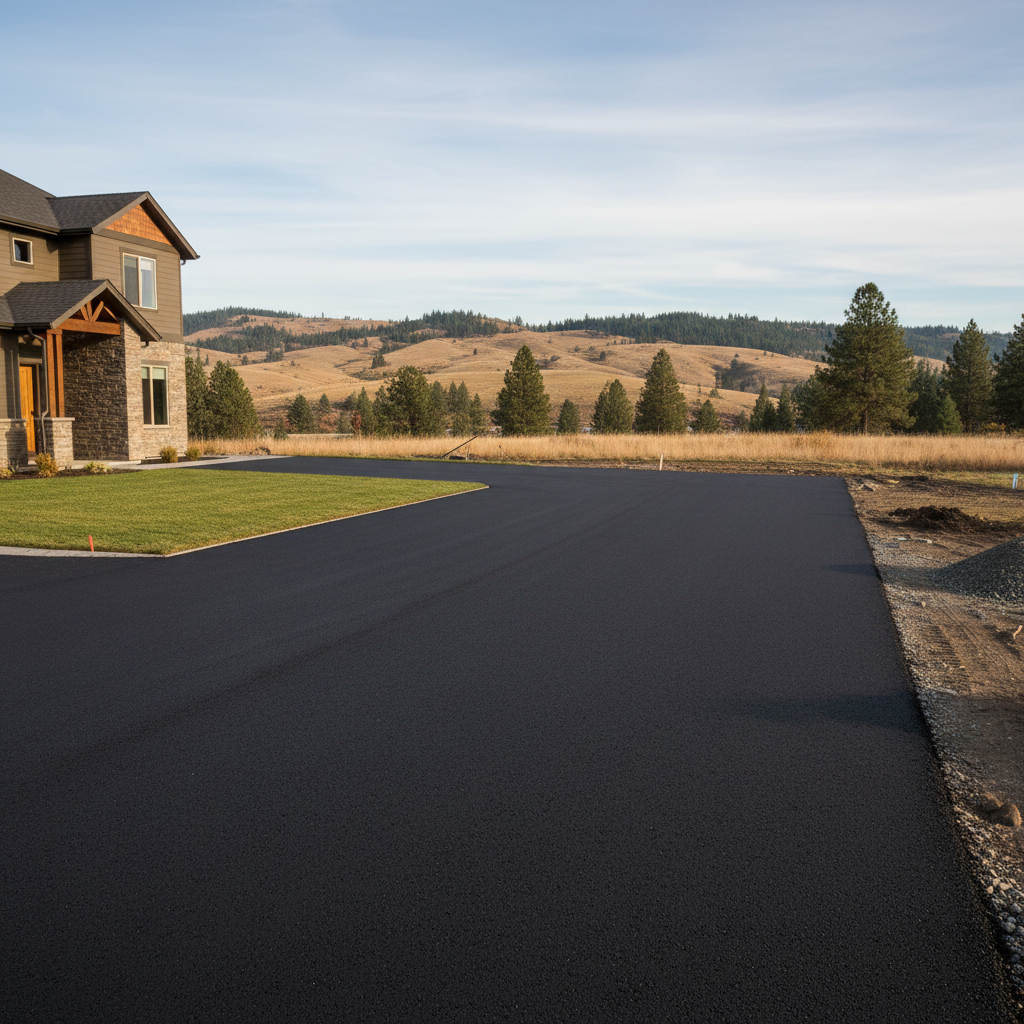
Alright, let's talk commercial asphalt here in Yakima. It's not just about getting the job done; it's about getting it done right, and that means paying close attention to our local weather. You've got a business to run, and a good parking lot or access road is part of that. But if you don't plan around our seasons, you're just throwing money away. I've seen it too many times.
When's the Best Time for Commercial Asphalt Work?
This is probably the most common question I get, and for good reason. You can't just pave any time of year. Here in Yakima, we've got pretty distinct seasons, and each one brings its own challenges and opportunities for asphalt work.
- Spring (Late March to Early June): This is prime time, no doubt about it. The ground's starting to dry out from winter, and temperatures are consistently above 50°F. That's the sweet spot for laying down new asphalt. The base materials cure properly, and the asphalt itself has enough warmth to compact well without cooling too fast. You'll see a lot of contractors, including us at Mighty Paving Solutions, booking up fast during these months. If you're thinking about a major paving project, start planning in late winter so you can get on the schedule.
- Summer (Mid-June to Early September): Still good, but you've got to be smart about it. Our Yakima summers can get brutally hot, sometimes hitting 100°F or more. While hot asphalt is good for compaction, extreme heat can make the material cure too quickly, which can lead to issues if the crew isn't experienced and fast. We often adjust our schedules in the peak of summer, starting earlier in the day to beat the worst of the heat. For smaller repairs or sealcoating, summer's still a solid choice, but for big jobs, spring might be a bit more forgiving.
- Fall (Mid-September to Early November): This is another excellent window, especially for sealcoating and crack filling. The temperatures are usually mild, and the ground is still warm enough for good adhesion and curing. You want to get these protective measures done before the really cold, wet weather sets in. Once you start dipping below 50°F consistently, you're pushing your luck for quality work.
- Winter (Mid-November to Early March): Honestly? Avoid it for major paving if you can. Our winters here, with their freezing temperatures and freeze-thaw cycles, are just not ideal for new asphalt. The ground can be frozen, and asphalt needs warmth to bind correctly. You might see some emergency patching done in winter, but that's usually a temporary fix until spring. Trying to do a full-scale paving job in January is just asking for problems down the road.
How Weather Conditions Impact Your Project
It's not just the season; it's the specific conditions on the day. Here's what we're always watching:
- Temperature: I mentioned 50°F as a general minimum for laying asphalt. Below that, the asphalt cools too quickly, making it hard to compact properly. This can lead to a weaker, less durable surface that's more prone to cracking. For sealcoating, you also need warm enough temps for the material to cure and bond.
- Moisture: You can't pave on wet ground. Period. Rain, standing water, or even overly damp subgrade can compromise the integrity of your base layers and prevent the asphalt from adhering correctly. That's why those spring and fall dry spells are so valuable. We're always checking the forecast and won't start a job if there's a high chance of rain.
- Wind: Strong winds can cool asphalt rapidly, especially on larger, exposed commercial lots. It's not as critical as temperature or moisture, but it's something we account for, especially on those blustery days we get sometimes, particularly out towards the agricultural areas east of town.
Protecting Your Commercial Asphalt Investment Year-Round
Once you've got that fresh asphalt, you want it to last, right? It's a big investment for your business. Here's how to keep it in top shape:
- Regular Inspections: Don't wait until you see a pothole the size of a dinner plate. Walk your lot monthly, especially after big storms or temperature swings. Look for small cracks, oil stains, or areas where water is pooling. Catching these issues early saves you a ton of money.
- Crack Sealing: This is your first line of defense. Those small cracks? They let water seep down into your base, and when that water freezes and expands (hello, Yakima winters!), it creates bigger cracks and potholes. Get them sealed up every couple of years, or as needed. It's a cheap fix that prevents expensive repairs.
- Sealcoating: Think of this as sunscreen and a protective barrier for your asphalt. It protects against UV rays, water penetration, and chemical spills like oil and gas. For commercial properties with heavy traffic, I usually recommend sealcoating every 2-4 years, depending on wear and tear. It keeps your lot looking sharp and extends its life significantly.
- Drainage Maintenance: Make sure your storm drains and catch basins are clear of debris. If water can't drain properly, it sits on your asphalt, weakening it over time. This is especially important before winter to prevent ice formation and water infiltration.
- Prompt Repairs: Don't let small problems become big ones. If you see a pothole or a significant area of alligator cracking, get it repaired quickly. The longer you wait, the more damage occurs, and the more costly the repair will be.
Look, maintaining your commercial asphalt isn't a one-and-done deal. It's an ongoing process, especially with our Yakima weather. By understanding the best times for work and keeping up with regular maintenance, you'll ensure your parking lot or access road serves your business well for years to come. If you've got questions about your specific commercial property, just give us a call at Mighty Paving Solutions. We're here to help you figure out the best plan.