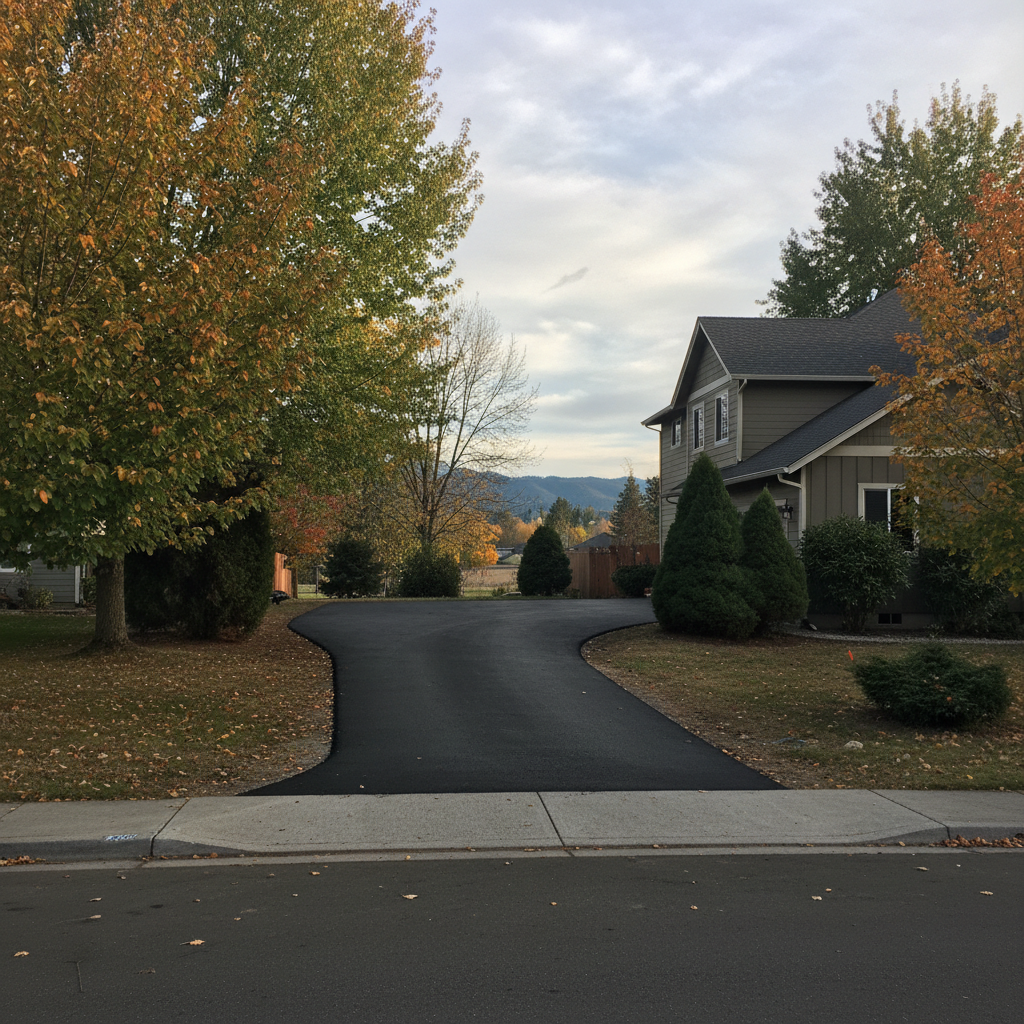
You're thinking about a new driveway or maybe patching up the old one, right? The biggest question I get, especially around here in Yakima, isn't just about the cost. It's usually, 'When's the best time to do it?' And that's a smart question, because timing in our neck of the woods is everything when it comes to asphalt.
Yakima's Weather & Your Asphalt
Our climate here in Yakima is pretty unique. We get those scorching hot summers, often hitting triple digits, and then we have those freezing cold winters with plenty of frost and thaw cycles. This isn't just a minor detail; it's a huge factor in how long your asphalt will last and how well it cures.
When we're laying down asphalt, we're not just dumping hot material on the ground. There's a science to it. The material needs to be hot enough to be workable, but the ground it's going on can't be too cold. If the subgrade is frozen or even just really cold, it can cause the asphalt to cool down too quickly, preventing proper compaction. That means weaker pavement, more prone to cracking and potholes down the line. You don't want that, and I certainly don't want to put my name on a job that won't hold up.
The Best Time to Schedule Paving Work
So, when's the sweet spot? Generally, I tell folks to aim for late spring, summer, or early fall. We're looking for consistent temperatures, ideally above 50°F (10°C) and rising, not falling. This gives the asphalt plenty of time to cure properly before the cold weather hits.
- Late Spring (April-May): This is often a great window. The ground has had a chance to thaw out and dry up from winter's moisture. Temperatures are usually mild, making for good working conditions and proper curing. You're beating the intense summer heat, which can sometimes make the asphalt too soft to work with efficiently, or cause it to cure too fast on the surface without fully compacting underneath.
- Summer (June-August): Still good, especially if we're not in the middle of a major heatwave. The ground is warm, which helps with the compaction process. Just be aware that on those 100-degree days, we might need to adjust our schedule slightly to ensure the best results. We're often out there early to beat the worst of the heat.
- Early Fall (September-October): Another excellent time. The ground is still warm from the summer, and the air temperatures are usually perfect for paving. You want to get the job done before the nighttime lows consistently drop below freezing. Once those first hard frosts hit, it's really time to pack it in for the season.
What about winter? Forget about it. Paving in winter in Yakima is a recipe for disaster. The cold temperatures and frozen ground make it impossible to get a quality, long-lasting product. Any contractor who tells you they can do a full paving job in January is either desperate or doesn't know what they're doing. And you definitely don't want either of those working on your property.
Protecting Your Investment Year-Round
Once you've got that beautiful new driveway from Mighty Paving Solutions, you'll want to keep it looking good and performing well. Here's how:
First off, sealcoating is your best friend. Think of it as sunscreen for your asphalt. It protects against UV rays, water penetration, and even helps resist oil and gas spills. I recommend sealcoating every 2-3 years, depending on traffic and how much sun your driveway gets. It's a small investment that pays off big time in extending the life of your pavement.
Next, drainage. This is huge, especially with our occasional heavy downpours and snowmelt. Make sure water isn't pooling on your driveway. If you've got low spots, address them. Water is asphalt's worst enemy, especially when it freezes and expands, leading to cracks and potholes. Good drainage prevents a lot of headaches down the road.
Finally, crack filling and patching. Don't ignore those small cracks when they first appear. They're like little invitations for water to get underneath your asphalt and start causing trouble. Filling them promptly keeps the water out and prevents them from turning into bigger, more expensive problems. Same goes for potholes; get 'em fixed before they grow.
Whether you're in West Valley, Nob Hill, or out near Terrace Heights, these principles apply. Our local conditions demand a bit more thought and care when it comes to asphalt, but with the right timing and a little maintenance, your driveway will last you for years. Give us a call at Mighty Paving Solutions when you're ready to talk about your project. We're always happy to share our experience and help you plan it right.