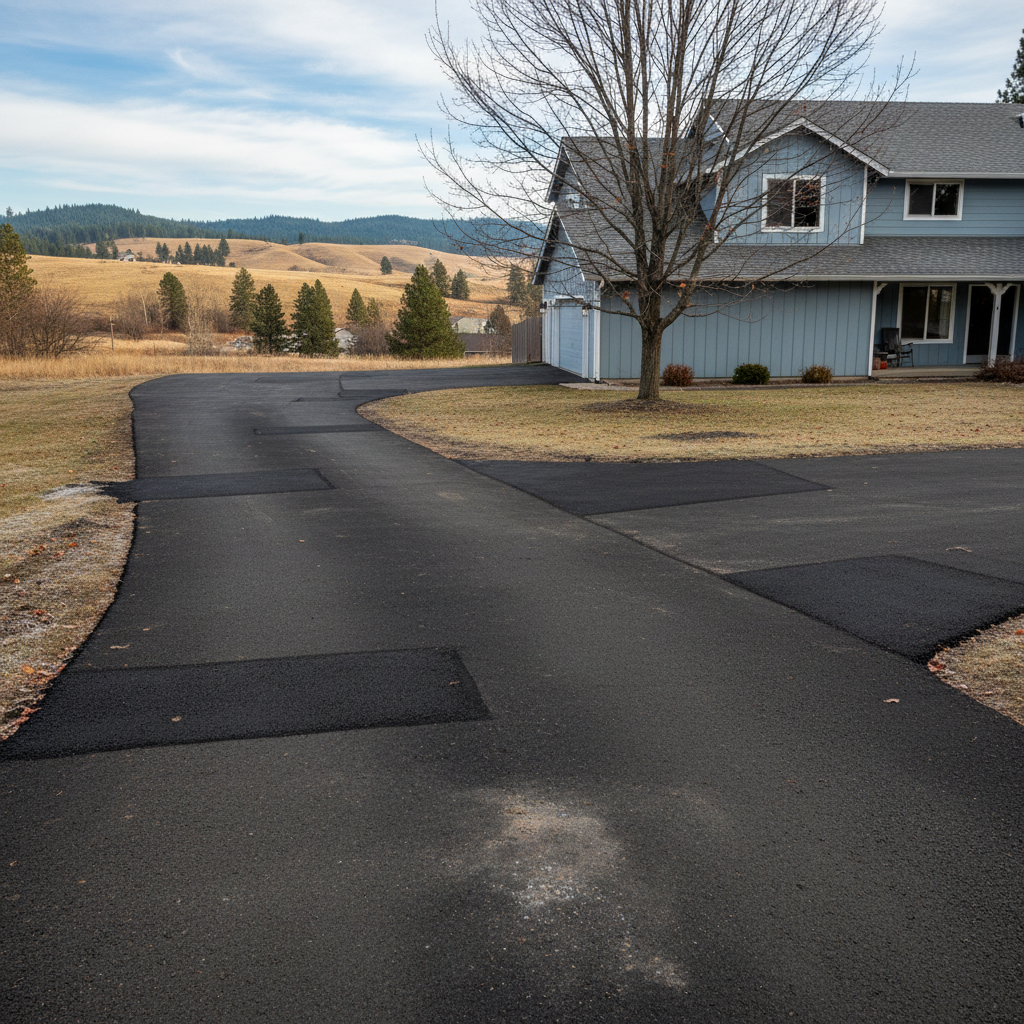
See a pothole or a nasty crack in your driveway? You’re probably wondering when’s the best time to get that fixed. Around here in Yakima, with our crazy temperature swings and dry summers, timing your asphalt patching isn't just about convenience; it’s about making sure the repair actually lasts.
When to Schedule Your Asphalt Patching
Look, the ideal time for most asphalt work, including patching, is when it’s warm and dry. That means late spring through early fall is generally your sweet spot. We’re talking about those months when the ground isn't frozen solid and we’re not expecting a foot of snow or a week of torrential rain. For Yakima, that usually means May through September, sometimes into October if we get a nice, long Indian summer, you know?
Why does that matter? Asphalt needs to be warm and pliable to bond correctly. When it’s too cold, the material gets stiff, and it’s tough to get a good, lasting seal. Plus, if there’s moisture in the cracks and it freezes, that expands and can pop out any new patch pretty quickly. You don’t want to pay for a repair that’s just going to fail as soon as the next cold snap hits.
Weather Conditions That Affect the Work
Our Yakima climate throws a few curveballs. Here’s what we’re always watching:
- Temperature: We really need consistent temperatures above 50°F, both during the day and overnight, for the best results. If it dips too low, the asphalt cools too fast and doesn't compact properly.
- Moisture: Rain is a no-go. You can’t patch a wet surface effectively. The patch won’t stick, and you’ll end up with a weak repair. We need dry conditions, and that includes the ground beneath the patch. After a heavy rain, even if the sun's out, the ground might still be soaked, which can cause issues down the line.
- Wind: While not as critical as temperature or rain, strong winds can sometimes affect how quickly the asphalt cools or how well sealants cure. It's usually manageable, but it's something we consider.
What about those early spring or late fall days when it's warm but the nights are cold? That's tricky. We might be able to do some smaller, emergency patches, but for anything substantial, I’d always recommend waiting for more stable temperatures. It's better to wait a few weeks for the right conditions than to rush it and have to do it all over again.
Protecting Your Investment Year-Round
So, you’ve got your patches done. Great! Now, how do you make sure they last through our Yakima seasons? It’s not just about the repair itself; it’s about ongoing care.
- Regular Inspections: Walk your driveway a few times a year. Look for new cracks, especially after winter or a really hot summer. Catching small issues early means they don't turn into big, expensive potholes.
- Cleanliness: Keep debris, dirt, and leaves off your asphalt. These can trap moisture and speed up deterioration. Plus, chemicals from decaying leaves can be surprisingly harsh on your pavement.
- Drainage: Make sure water is draining away from your driveway, not pooling on it. If you’ve got low spots where water collects, that’s a prime spot for future damage, especially with our freeze-thaw cycles. Think about those areas in West Valley where water tends to sit after a good rain; that's exactly what you want to avoid on your own property.
- Sealcoating: This is huge. A good sealcoat every few years protects your asphalt from UV rays, water penetration, and even minor chemical spills. It’s like sunscreen and a raincoat for your driveway. We do a lot of sealcoating at Mighty Paving Solutions, and I can tell you, it makes a massive difference in the lifespan of your asphalt.
- Addressing Issues Promptly: Don't let a small crack become a crater. As soon as you see a problem, get it assessed. The longer you wait, the more expensive the repair will be.
Taking care of your asphalt isn't a one-and-done deal, especially here in Yakima. It’s an ongoing process, but with the right timing for repairs and a little bit of regular maintenance, your driveway will look good and last a long time. If you’ve got questions or need a patching estimate, don’t hesitate to give us a call at Mighty Paving Solutions. We’re here to help keep your pavement in top shape.